Looking for elbow room without feeling cut off from the rest of the Grand Valley? Loma and Mack offer a version of Western Colorado living that feels open, grounded, and connected all at once. If you want more space, easy access to outdoor recreation, and a setting shaped by agriculture and big views, these two rural communities deserve a closer look. Let’s dive in.
Why Loma and Mack Feel Different
Loma and Mack sit within the Grand Valley corridor, and Mesa County identifies both as rural communities that serve the surrounding rural area. That matters because the lifestyle here is not suburban and it is not truly remote either. Instead, you get a wide-open setting with a strong connection to the rest of the valley.
Mesa County planning documents describe both areas as low-density and spacious. Loma covers about 3,059 acres, while Mack’s plan area is about 3,239 acres, with a 647-acre rural community core. In everyday terms, that translates to roomier surroundings, open views, and a pace that feels quieter than more built-up parts of the Grand Valley.
Space With Purpose
The biggest draw in Loma and Mack is not just land for land’s sake. These communities are part of a working rural landscape where agriculture, recreation, and everyday living overlap. Mesa County notes that farms, ranches, orchards, vineyards, livestock, irrigation systems, and farm equipment are all part of normal life here.
That gives the area a lived-in rural character. You are not just buying a view. You are stepping into a place where open country living comes with real working-land rhythms, rural roads, and a strong connection to the land itself.
What Homes and Properties Look Like
Loma Property Patterns
Loma offers a mix of home styles and lot sizes, but it has a more defined small-town center than many buyers expect. Mesa County describes the original Loma townsite as about 160 acres with numerous small lots platted in the early 1900s. Around that core, you will find lower-density rural neighborhoods that create a transition from compact town lots to more spacious surroundings.
That mix can appeal to different kinds of buyers. Some people want a home closer to the historic core, while others are looking for more land and a little more separation from nearby neighbors. Loma can support both depending on the property.
Mack Property Patterns
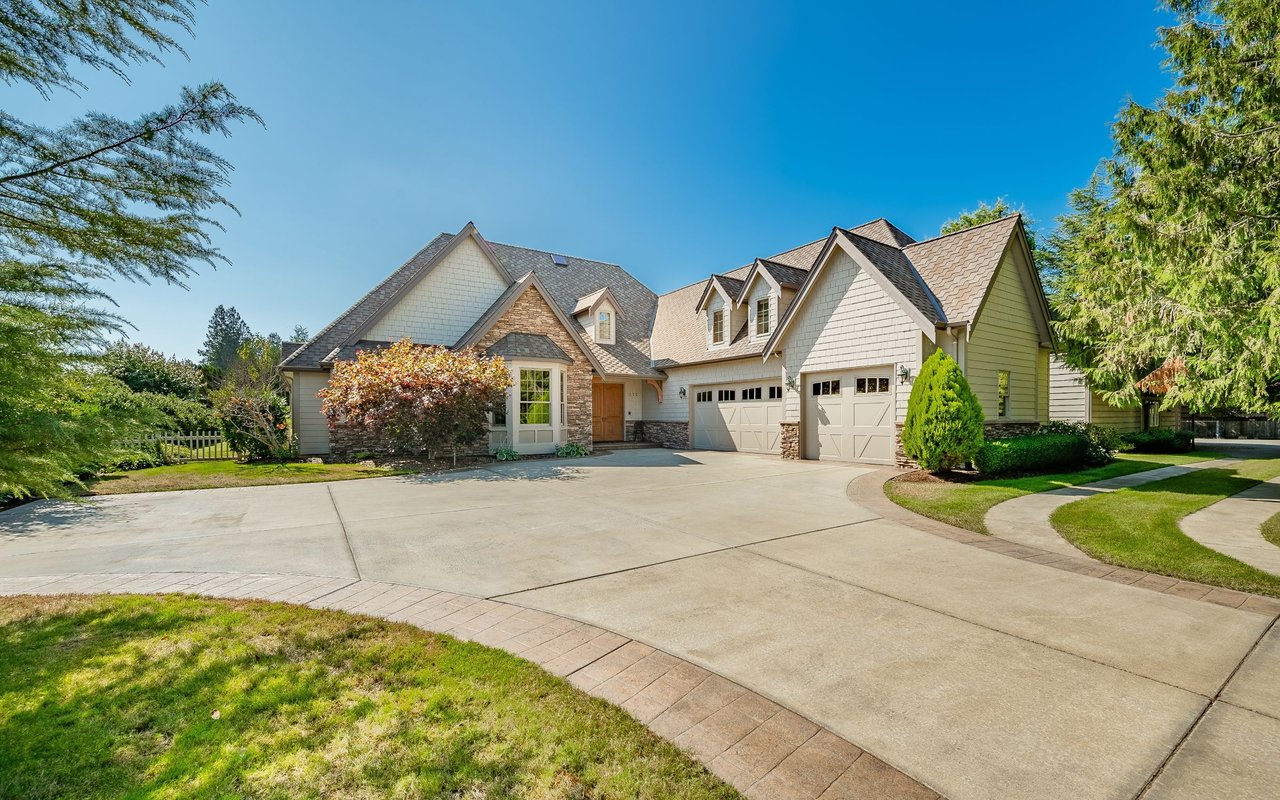
Mack has a compact core too, but its larger-parcel character stands out even more. Mesa County describes a mix of business, commercial, and residential uses in the core, with larger lots and estate areas outside it. In fact, estate land makes up the largest category in Mack’s future land-use summary.
If you picture an edge-of-town feel with more breathing room, Mack often fits that image well. It remains a rural place even as Mesa County plans for future growth impacts, which helps explain why the area still feels open and lightly developed.
A Range of Rural Housing Options
Mesa County’s rural-community placetype for Loma and Mack includes single-family detached homes, multifamily, mobile home communities, light commercial uses, and rural crossroads nodes. For buyers, that means the housing stock is not one-size-fits-all. You may find smaller lots in the core areas, larger parcels beyond them, and a range of property setups depending on your goals.
If you are searching for room for hobbies, equipment, or animals, these communities can be especially worth exploring. Because livestock are part of the county’s rural landscape, the appeal of acreage and animal-friendly space is a real part of the conversation here.
Outdoor Access Is Part of Daily Life
One of the strongest reasons buyers look at Loma and Mack is how easy it is to enjoy the outdoors without making it a whole production. Recreation is woven into the landscape. River corridors, trails, state-managed recreation areas, and public lands all shape the lifestyle.
For many people, that means your weekends can stay simple. You do not need to drive far to reach water, trails, canyons, or public land.
Colorado River Access in Loma
The Colorado River corridor is central to life in this part of Mesa County. The county’s Riverfront Trail system is intended to provide outdoor recreation and education opportunities from Loma east to Palisade, while also protecting river-corridor open space and wildlife habitat.
Loma also offers a major river access point through the Loma Boat Launch State Wildlife Area. According to Colorado Parks and Wildlife, it includes a boat ramp along with opportunities for nature viewing, hiking, and walking. It also serves as a launch point for boaters floating downstream through Ruby and Horsethief Canyons toward Westwater, Utah.
Highline Lake Adds More to Explore
Highline Lake State Park gives Loma another major lifestyle advantage. Colorado Parks and Wildlife describes it as the recreation epicenter for the Grand Valley and a base camp for exploring the Grand Junction area. The park includes two lakes, 738 acres, 56 campsites, 105 picnic sites, and 9.6 miles of trails.
That kind of access adds real value to daily life. Whether you enjoy walking, biking, fishing, camping, or simply being near the water, Highline Lake gives Loma a recreation profile that feels much bigger than a small rural community.
Mack and Public Land Access
Mack stands out for its proximity to public land and trail systems. Mesa County says there is abundant publicly owned land in and around the Mack planning area, much of it managed by the Bureau of Land Management. That creates a backdrop of open space that makes the area feel even larger than the townsite itself.
The Mack Ridge trailhead on the south edge connects to the Kokopelli Trail and other hiking and biking routes. Mesa County also notes that McInnis Canyons National Conservation Area stretches between Loma and the Utah border, with the Colorado River running through it. If you want quick access to trails, canyons, and broad public-land scenery, Mack has a lot to offer.
Rural Living Means Knowing the Rhythm
If you are drawn to Loma and Mack, it helps to understand what rural life actually looks like here. Mesa County’s rural-living guidance makes it clear that irrigation systems, private roads, livestock, agricultural work, and farm equipment are ordinary parts of the landscape. For the right buyer, those are features of the lifestyle, not drawbacks.
This is one reason I always encourage buyers to think beyond the house itself. In rural areas, your experience also depends on access, maintenance expectations, nearby land uses, and how comfortable you are with the pace and patterns of country living. The right fit comes from understanding both the property and the setting.
Connected, Not Cut Off
A lot of buyers ask if Loma and Mack feel isolated. The better answer is that they feel rural, but still connected. These communities sit in the Grand Valley corridor with a clear relationship to Grand Junction, Fruita, and the broader region.
Mack lies along Interstate 70, and Mesa County notes that US 6 and 50 joins I-70 there. The community is also described as a western entry point to Colorado. Local bus service is available from Fruita, and Grand Junction Regional Airport is about 18 miles east.
Loma is easy to reach as well, with direct access to Highline Lake from I-70 Exit 15. So while the setting feels spacious and quiet, you are not removed from the transportation routes that connect the valley.
Who Loma and Mack Often Appeal To
These communities tend to make sense for buyers who value space, views, and a more grounded daily rhythm. They can also work well if you want easier access to outdoor recreation or are specifically looking for acreage-oriented or rural lifestyle properties.
Loma may be especially appealing if you like the idea of a historic small-town core with rural surroundings. Mack may be a stronger fit if you want a compact community center but are mostly focused on larger parcels, public-land access, and a more open edge-of-town feel.
How to Shop Smart in This Area
When you explore homes in Loma and Mack, it helps to stay practical. The beauty and openness are easy to see right away, but the best buying decisions usually come from asking the right questions early.
Here are a few smart things to look at as you compare properties:
- Lot size and how the property is situated relative to neighboring land uses
- Access routes, including highway connections and local road conditions
- Proximity to recreation features like river access, trails, and public land
- Whether you want a home near a compact core or farther out on a larger parcel
- How comfortable you are with the realities of a working rural landscape
With rural and lifestyle properties, details matter. A clear plan can help you sort through options and focus on the homes that truly fit the way you want to live.
If you are considering a move in Loma or Mack, working with someone who knows the Grand Valley can make the process much easier. Denese Hansen Simpson brings local perspective, clear communication, and steady guidance to help you evaluate properties, understand the tradeoffs, and move forward with confidence.
FAQs
What is the lifestyle like in Loma and Mack, Colorado?
- Loma and Mack offer a rural lifestyle shaped by open space, agriculture, quiet roads, scenic views, wildlife, and easy access to recreation across the Grand Valley corridor.
What kinds of homes are common in Loma and Mack?
- Buyers can find a mix of property types, including homes on smaller lots in compact core areas, single-family homes in rural neighborhoods, and larger parcels or estate-style properties outside the core.
Is Loma, Colorado, considered rural?
- Yes. Mesa County identifies Loma as a rural community, with a historic small-town core surrounded by lower-density rural neighborhoods and open land.
Is Mack, Colorado, considered rural?
- Yes. Mesa County describes Mack as a rural community with a compact core, larger lots beyond it, significant estate land, and strong access to public land.
What outdoor recreation is near Loma and Mack?
- Nearby recreation includes the Colorado River corridor, the Loma Boat Launch State Wildlife Area, Highline Lake State Park, the Mack Ridge trailhead, the Kokopelli Trail, and public lands near McInnis Canyons.
Do Loma and Mack feel isolated from Grand Junction?
- No. While both communities feel rural and spacious, they remain connected through the Grand Valley corridor, Interstate 70 access, nearby service connections, and proximity to Grand Junction Regional Airport.