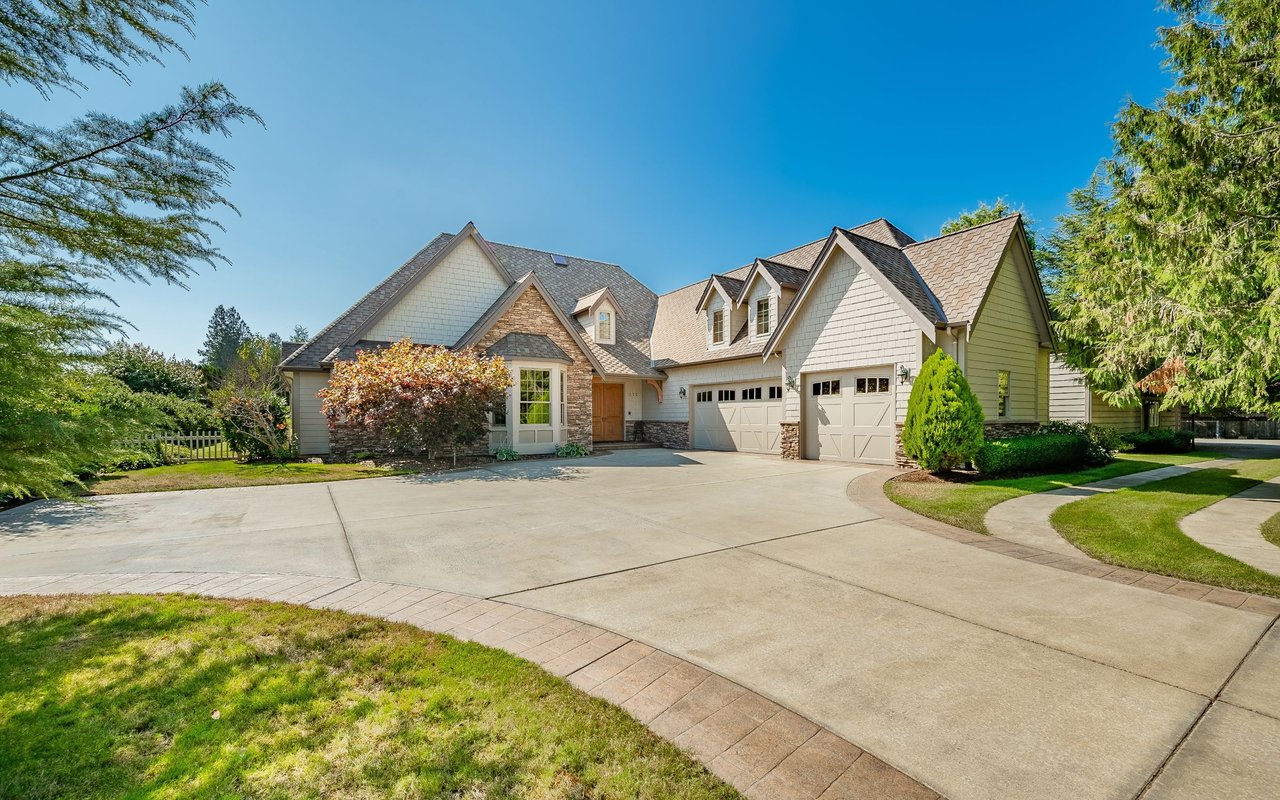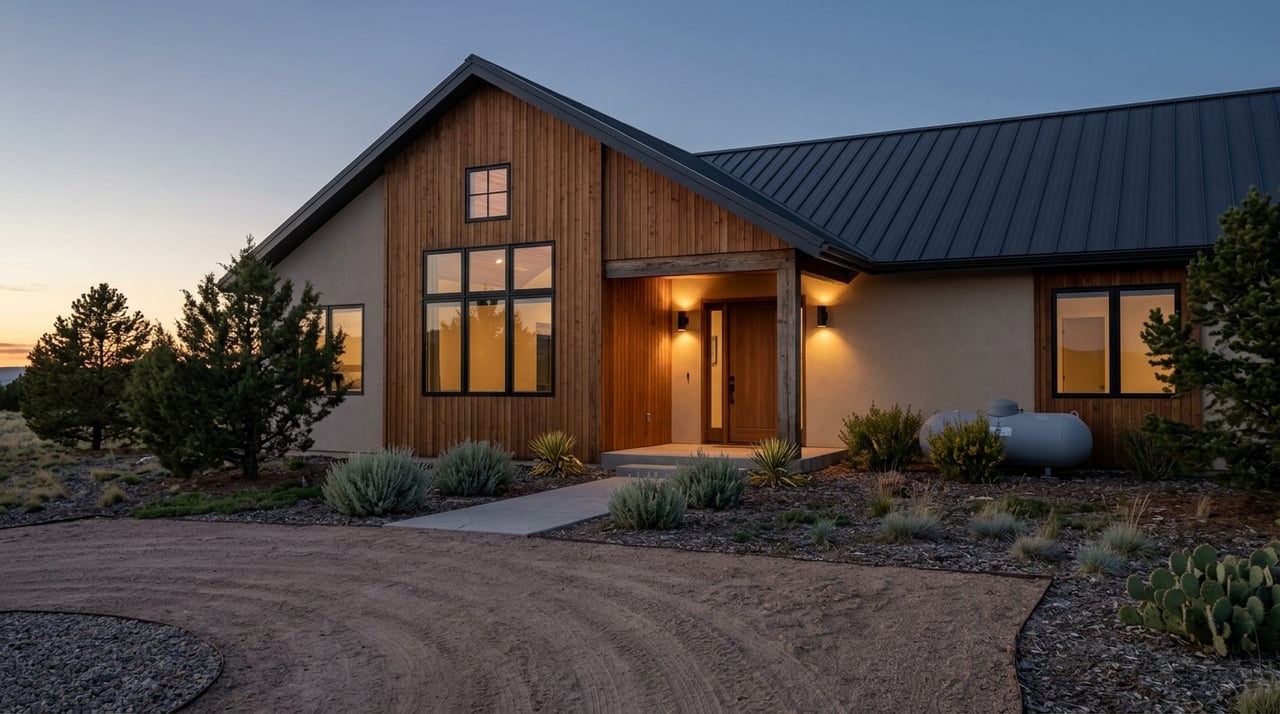
Thinking about buying in Glade Park because of the views, space, and privacy? Those are real draws, but this is one of those places where the land itself should guide your decision just as much as the house. Before you fall in love with a property, it helps to understand how water, access, septic, utilities, and wildfire readiness can shape daily life here. Let’s dive in.
Glade Park feels different from town
Glade Park is not an in-town neighborhood. It is an unincorporated Mesa County planning area southwest of Grand Junction that covers a large rural landscape with mostly private land plus significant BLM and USFS holdings, according to Mesa County’s community planning information.
That setting is a big part of the appeal. You may find more privacy, open views, and larger parcels than you would in many in-town areas. At the same time, buying here often means choosing a more self-reliant lifestyle, where your day-to-day experience depends heavily on the specific parcel, road, and utility setup.
Glade Park also is not one-size-fits-all. Mesa County’s Community Wildfire Protection Plan notes that some areas are more open grassland and sagebrush, while others have denser pinyon-juniper cover and steeper terrain. Two properties in the same general area can have very different access, views, and maintenance needs.
Water should be your first question
If you only remember one thing about buying in Glade Park, make it this: verify water early. Mesa County’s Glade Park plan says there is no public domestic water service in the area. Domestic water comes from private wells, springs, and cisterns.
That means you should not treat water like a standard utility that is already solved. You want to confirm the legal water source, how the property is supplied, and whether the system is practical for how you plan to use the property.
Mesa County also states that Glade Park is over-appropriated for water rights and that some well permits may require augmentation plans approved by water court. The Colorado Division of Water Resources well permitting page explains that every new well that diverts groundwater must have a well permit, and some areas may not be able to get one without augmentation.
In simple terms, a parcel with a great view is not enough. You also need to know whether the water situation is legal, dependable, and appropriate for your plans.
Ask how the property actually gets water
Some properties rely on wells. Others may use cisterns or hauled water. Mesa County’s Glade Park plan also notes there are no potable bulk-fill sites in the plan area, which is an important detail if a property depends on stored water.
This is where records matter. Before you buy, pull the well permit if there is one, confirm any water rights details, and ask direct questions about water storage, delivery, and reliability. A rural property works best when the practical systems match the way you want to live.
Test private well water before closing
Water quality is a separate issue from water supply. The Colorado Department of Public Health and Environment says private well owners are responsible for testing their water and recommends testing at least annually.
That makes pre-closing testing a smart step for buyers. It helps you understand what you are buying and can also matter for financing, since Mesa County Public Health notes in the research that many lenders require a passing water-quality test before loan approval.
Septic is not a box to check
In Glade Park, sewage is handled by private on-site wastewater treatment systems rather than a public sewer system, according to the county’s Glade Park plan. That is common in rural areas, but it also means the septic system deserves real due diligence.
You should verify the permit history, inspection records, and system capacity. If you are thinking about future additions, guest space, or a different occupancy pattern, do not assume the current system will support those changes.
Mesa County’s OWTS department handles septic permits and clearances in unincorporated Mesa County. Reviewing that file can help you avoid surprises after closing.
Roads and access matter more than buyers expect
One of the biggest rural buying mistakes is assuming access is simple because a road appears usable on a showing day. Mesa County’s Code of the West warns buyers not to assume roads are public or county-maintained just because they look that way.
Some roads are private. Some are maintained only seasonally. Some county roads are not graded or plowed, and extreme weather can make even county roads impassable. That means road access is both a lifestyle issue and a legal issue.
Confirm who maintains the road
Before you buy, find out:
- Whether the road is public, private, or shared
- Whether there are recorded easements for access
- Who pays for grading, snow removal, and repairs
- Whether access crosses public land and, if so, whether the right is confirmed
If a property needs a new driveway connection to a county right-of-way, Mesa County requires a driveway permit. That process focuses on sight distance, drainage, turning geometry, and emergency access.
Test the drive like you mean it
If you are serious about Glade Park, drive the route at the times and in the conditions you are most likely to use it. Morning and evening can feel different. Dry roads and snowy roads can feel very different. A property that seems easy to reach on a sunny afternoon may feel less convenient after dark or during winter weather.
The county’s Glade Park plan points residents toward Grand Junction-area providers for health care, which reinforces an important reality: you should think in terms of drive time and logistics, not quick in-town convenience.
Utilities are parcel-specific
Utilities in Glade Park are not as standardized as they are in many suburban neighborhoods. Mesa County’s Glade Park plan says electricity is provided by Grand Valley Power, gas service is typically propane from private suppliers, and solid waste is handled by private haulers.
The same source says telecommunications can be limited. Internet is available, but cell coverage and quality vary by carrier and location, many areas do not have cell service, and there is no cable provider.
That is why it is so important to check actual service at the parcel. A coverage map is not enough. If you work from home, stream often, or rely on your phone for business, verify performance before you commit.
Wildfire readiness is part of ownership
Glade Park’s natural setting is beautiful, but it also comes with wildfire risk. Mesa County’s Community Wildfire Protection Plan identifies Glade Park as an area of high fire hazard and risk overall, with parcel-level risk ranging from moderate to high or extreme depending on fuels, slope, and access.
Mesa County’s wildland fire management guidance recommends 100 feet of defensible space and home hardening against embers. Those are not abstract suggestions in a setting like this. They can directly affect safety, insurability, and ongoing maintenance.
Glade Park Fire states on its district website that it transitioned into a Fire Protection District on January 1, 2026, while remaining 100 percent volunteer staffed during the tax-delay year and continuing to rely on donations, grants, and fundraising. The district also says it can help with property-access and fire-mitigation assessments.
For buyers, the practical takeaway is clear. Fire protection exists, but your property’s driveway access, defensible space, water availability, and overall preparedness all matter.
Rural living comes with tradeoffs
Many buyers are drawn to Glade Park because it offers space, views, and a quieter pace. That appeal is real. Still, Mesa County’s land use and rural guidance makes it clear that rural living also comes with normal working-landscape realities.
The county’s Land Development Code applies in unincorporated Mesa County, and the county’s rural guidance notes that farms, ranches, livestock, equipment, dust, odors, and slow-moving machinery on roads are ordinary parts of rural life. If that lifestyle fits what you want, Glade Park can be a compelling place to buy. The key is going in with a clear picture of what ownership really involves.
Your Glade Park buyer checklist
Before you move forward on a property, focus on these items first:
- Confirm legal access and road maintenance responsibilities
- Pull well records and verify the water source and permit status
- Test private well water before closing
- Verify septic permit history and system capacity
- Review wildfire mitigation, driveway access, and defensible space
- Check actual cell and internet performance at the parcel
- Review zoning, permit files, and any covenants
- Ask about floodplain or drainage concerns if the property is near a wash, creek, or swale using Mesa County’s flood risk information
- Drive the route in real-world conditions before you buy
Buying in Glade Park can be incredibly rewarding if you value acreage, privacy, and a more rural way of living. It just requires a more detailed review than many in-town purchases. If you want a calm, step-by-step approach to evaluating rural and acreage properties in the Grand Valley, Denese Hansen Simpson can help you sort through the details and move forward with clarity.
FAQs
What should buyers verify first before buying in Glade Park?
- Start with water, legal access, septic, and wildfire readiness, because those issues can affect whether a property is practical for daily living and future plans.
How does water service work for Glade Park properties?
- Most properties rely on private wells, springs, or cisterns because there is no public domestic water service in Glade Park.
Are roads in Glade Park always county maintained?
- No. Mesa County says some roads are private, some are maintained seasonally, and some county roads may not be graded or plowed.
Do Glade Park homes use public sewer service?
- No. Properties typically use private on-site wastewater treatment systems, so buyers should verify permits, inspections, and capacity.
Is wildfire risk an important part of buying in Glade Park?
- Yes. Mesa County identifies Glade Park as an area of high fire hazard and risk overall, so defensible space, access, and mitigation should be part of your due diligence.
What utility issues should buyers check in Glade Park?
- Buyers should verify cell coverage, internet performance, propane setup, electric service, and waste-hauling arrangements at the specific parcel rather than relying on general area assumptions.