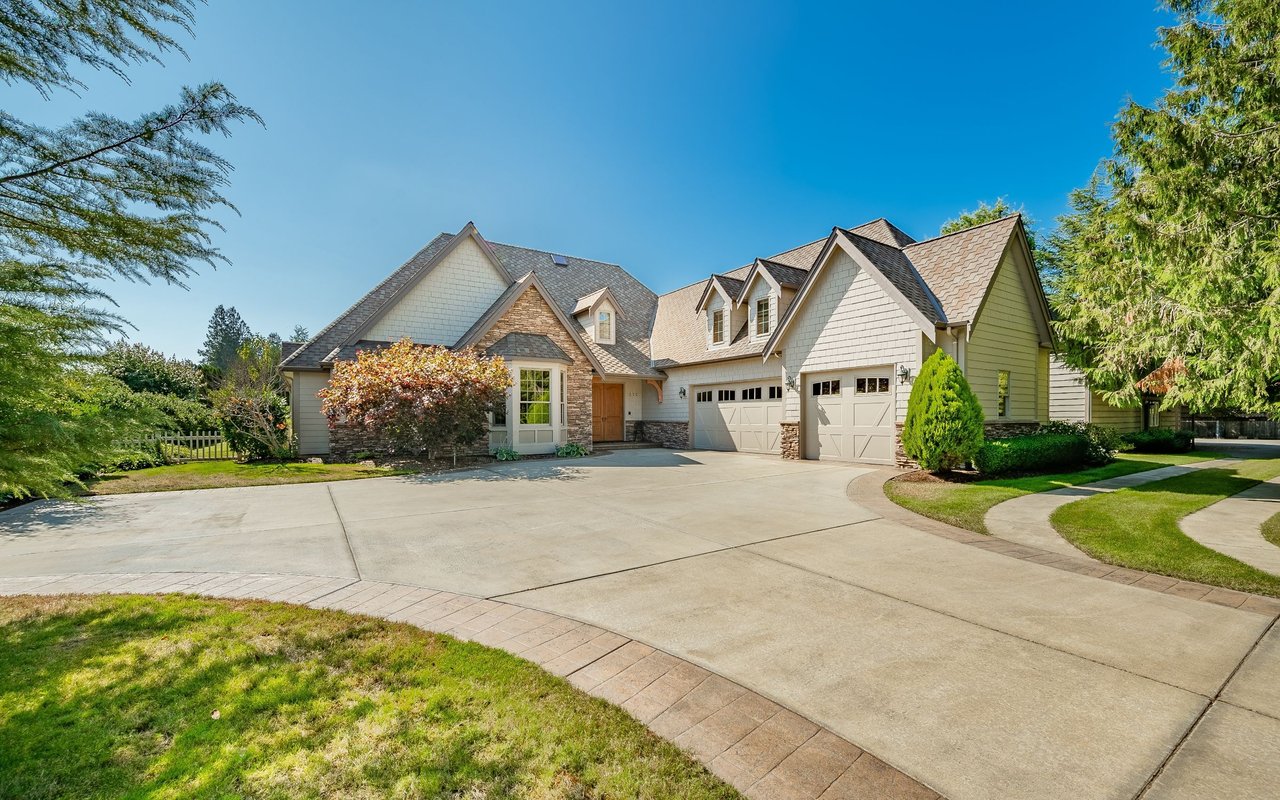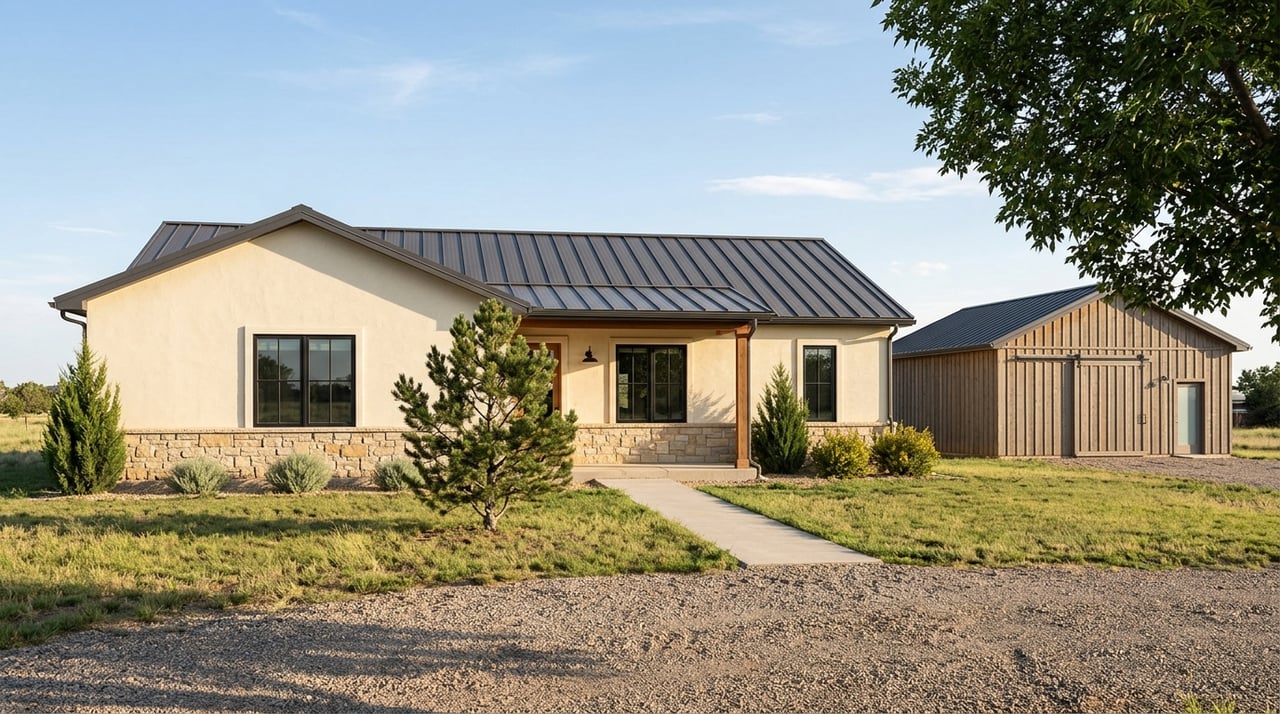
If you’re craving more space, a quieter setting, and room to spread out, Whitewater may already be on your radar. This part of Mesa County offers a rural feel that appeals to buyers who want land, separation from neighbors, and a different pace than in-town living. Before you buy, it helps to understand how parcel size, utilities, access, and local planning can shape what is actually possible. Let’s dive in.
Why Whitewater Feels Different
Whitewater is not an in-town subdivision setting. Mesa County describes the area as part of its rural planning landscape, with ranching land, Bureau of Land Management open lands, and low-density rural residential development.
The Whitewater planning area is about eight miles south of Grand Junction and covers roughly 18.5 square miles. County planning documents say the area is split about 49% BLM land and 49% private land, which helps explain the open feel many buyers notice right away.
You should also expect fewer nearby commercial conveniences than you would find in Grand Junction proper. That tradeoff is part of the appeal for many buyers, but it also means everyday services, infrastructure, and development patterns can vary from parcel to parcel.
What Small-Town Living Means Here
In Whitewater, small-town living often means more distance between homes, more open views, and a setting shaped by ranching land and open space. It can feel more private and less built-out than other parts of the Grand Valley.
At the same time, Whitewater is also an area Mesa County has long viewed as a growth-transition area. County planning materials note that the area was included in the Grand Junction Comprehensive Plan’s Urban Development Boundary and was intended to evolve over time toward a more urban community with amenities and services.
For you as a buyer, that means today’s rural character matters, but future planning and service boundaries matter too. A property that looks simple on first glance may come with questions about sewer service, water access, road permits, or development limits.
Land Options in Whitewater
One of Whitewater’s biggest draws is the chance to find larger-lot living. Historical planning documents discussed a range of development patterns, from 5-acre ranchettes to smaller lots, which shows the area has long been considered for a mix of land options.
Still, the most important guide for what you can do today is Mesa County’s current land development code. If you are shopping for land or a home on acreage, it is important not to assume that a larger parcel automatically gives you broad flexibility.
Minimum lot size depends on services
Mesa County’s current code sets a 1-acre minimum for newly created lots that are served by onsite wastewater treatment and a public water system. If a lot relies on wells, springs, or cisterns instead of public water, the required minimum size must meet well permit requirements or engineered OWTS standards, or be 1 acre, whichever is greater.
The county code also says that when requirements conflict, the larger minimum lot size controls. In simple terms, zoning, water, wastewater, and site conditions all work together to determine what is realistic.
Larger parcels need verification
If you are hoping for a hobby-farm style property or future split potential, parcel-level review is essential. A bigger lot may still face limits tied to zoning, utility access, irrigation easements, or wastewater standards.
That is why Whitewater buyers benefit from looking past lot size alone. The better question is whether the parcel supports your intended use under current county standards.
Key Questions to Ask About Land
Before you make an offer on land or acreage in Whitewater, focus on the details that affect day-to-day use and future plans.
Check zoning and jurisdiction first
Mesa County’s GIS parcel information includes zoning, jurisdiction, utility and service providers, environmental layers, subdivisions, and boundary information. This is one of the first places to confirm whether the parcel aligns with how you want to use it.
If you are thinking about building, adding structures, or changing how the property is used, zoning should be verified early. It is much easier to sort that out before you are under pressure to close.
Ask about water and wastewater
In Whitewater, sewer and septic can be major decision points. Mesa County notes that the Whitewater PID was created in 2006 to fund operation and maintenance of the Whitewater sewer system, and the Whitewater Urban Services PID was created in 2008.
If septic is proposed instead of sewer, Mesa County’s Septic Department handles OWTS permits and clearances and reviews land-use applications. That makes septic feasibility and timing an important part of due diligence.
Water availability also needs direct confirmation. Clifton Water District says it serves some residents south of the Colorado River and the Whitewater area, and its budget and fee resolution show separate Whitewater tap and system-development fees.
Confirm irrigation impacts
Mesa County’s land development code says that when irrigation water is physically and legally available, new development must use irrigation water for irrigation rather than potable domestic water. The code also protects irrigation easements.
For you, that means a parcel may come with canal frontage, lateral easements, or irrigation-related design limits. These details can affect where you build, fence, landscape, or place improvements.
Review access and driveway needs
Rural access can be more complicated than buyers expect. Mesa County requires driveway permits for new driveways to county right-of-way, and its road access policy says access over someone else’s property requires an easement agreement and an access permit.
If a parcel looks accessible on a map, that does not always mean legal or permitted access is already in place. This is one of the smartest items to verify early.
Infrastructure Matters More in Rural Areas
In a more built-out neighborhood, buyers often assume utilities and services are straightforward. In Whitewater, they deserve extra attention.
Sewer service areas can shape your options
Whitewater still has service-area-specific policy overlays. Because of that, you should confirm whether a property is inside the Whitewater sewer service area, expected to connect to an existing sewer system, or likely to rely on septic.
That answer can affect cost, timelines, and whether a parcel truly fits your goals. It can also shape what future improvements are practical.
Water service is not one-size-fits-all
A Whitewater address does not necessarily mean the same utility assumptions you might make in a closer-in Grand Valley location. Public water availability, tap fees, and system-development fees should all be confirmed for the specific parcel.
This is especially important if you are comparing multiple properties that seem similar on paper. Utility differences can change the real cost of ownership quickly.
Fire coverage and insurance deserve a close look
Mesa County says its Community Wildfire Protection Plan was developed in 2023 to help residents understand wildfire risk. The Lands End Fire Protection District says it serves Whitewater proper and surrounding ranches, homes, businesses, and wilderness areas across 195 square miles, with an ISO rating of 9/10.
That does not make a property good or bad, but it does mean rural fire access, water supply, and wildfire exposure are worth discussing with the fire district or your insurer. These are practical questions that can affect both safety planning and insurance costs.
Flood and Site Review Before You Close
Flood risk is another issue you should not skip. Mesa County says most local flooding comes from rapid snowmelt, cloudbursts, and monsoonal storms, and the county advises buyers to use its GIS viewer to check Flood, FEMA Regulatory Floodplain, and Potential Flood Hazard Area layers.
The county also notes that wildfire can increase flood risk. If a property is in a Special Flood Hazard Area, there may be insurance and development requirements that affect your plans.
This is one more reason Whitewater purchases benefit from a steady, step-by-step review. In rural areas, the best buying decisions usually come from verifying the details, not guessing.
A Smart Whitewater Due Diligence Checklist
If you are considering Whitewater, this checklist can help you stay focused on the issues that matter most:
- Confirm whether the parcel is inside the Whitewater sewer service area or will need septic.
- Verify whether public water is available and what Whitewater-specific tap or system-development fees may apply.
- Ask whether irrigation water is physically and legally available.
- Check for canal or lateral easements that could affect building placement or fencing.
- Review zoning, utility providers, environmental layers, and boundaries through Mesa County GIS.
- Confirm whether a new driveway or access permit will be required.
- Verify whether any cross-parcel access needs a recorded easement.
- Check floodplain status and ask follow-up questions if flood layers appear on the parcel.
- Ask about wildfire exposure, fire access, and insurance considerations.
Is Whitewater the Right Fit for You?
Whitewater can be a strong fit if you want a rural setting, more breathing room, and the possibility of larger lots or acreage. It can also be a good option if you understand that country property often comes with more upfront research than a typical in-town purchase.
The key is going in with clear expectations. Whitewater offers a distinctive lifestyle, but the details behind water, wastewater, irrigation, floodplain, and access are what turn a promising property into a smart purchase.
When you want calm, local guidance on Whitewater land, homes, and rural property questions, Denese Hansen Simpson can help you evaluate the tradeoffs, verify the details, and move forward with confidence.
FAQs
What is Whitewater, Colorado like for homebuyers?
- Whitewater has a rural character with ranching land, open lands, low-density residential development, and fewer nearby commercial conveniences than Grand Junction.
What lot sizes are possible in Whitewater, Colorado?
- Lot size depends on current Mesa County code, zoning, water service, and wastewater standards, with a 1-acre minimum for newly created lots served by onsite wastewater treatment and public water.
What should buyers verify before buying land in Whitewater?
- Buyers should verify zoning, sewer or septic options, water availability, irrigation easements, legal access, driveway permit needs, and floodplain status.
Does Whitewater, Colorado have sewer service?
- Some properties may be within the Whitewater sewer service area, while others may need septic, so this should be confirmed on a parcel-by-parcel basis.
Is public water available in Whitewater, Colorado?
- Some Whitewater properties may be served by Clifton Water District, but service availability and Whitewater-specific fees should be confirmed for the specific parcel.
Why do irrigation easements matter for Whitewater land?
- Irrigation easements can affect building placement, fencing, and site design, and Mesa County requires irrigation water to be used for irrigation when it is physically and legally available.