If you picture Palisade as just a weekend getaway, you might miss what makes daily life here so appealing. Living among the orchards means stepping into a place where agriculture, small-town routines, and outdoor living shape the pace of your day. If you are thinking about buying in Palisade, this guide will help you understand what it really feels like to live here and what to look for before you make a move. Let’s dive in.
Why Palisade Feels Different
Palisade has a strong agricultural identity that you can feel almost right away. The town is widely known for peaches, vineyards, and a landscape that blends working land with homes, local businesses, and recreation. Colorado Tourism describes Palisade as being in the heart of Colorado’s wine country, with more than 30 local wineries.
That farm-to-table image is not just branding. Mesa County recognizes orchard and vineyard operations as agricultural land when they meet the required standards for production and profit, which tells you how active and real this part of the local economy still is. In Palisade, the orchards and vineyards are not just scenery. They are part of how the community functions.
Daily Life in Palisade
One of the first things many buyers notice is the slower pace. The town’s visitor guidance highlights 25 mph or lower speed limits, respect for private property, and the need to stay hydrated in the dry climate. Those details may seem small, but they say a lot about everyday life here.
Palisade also keeps many daily routines close to home. The town lists District 51 schools, a library branch, a community center, a swimming pool, a post office, and the historical museum among its local fixtures. For many residents, that means errands, activities, and community events stay centered around town rather than spread far apart.
Historic downtown adds another layer to the experience. Walking tours from the Palisade Historical Society focus on streets, homes, and businesses near 3rd and Main, which reflects how visible the town’s history still is in everyday life. If you enjoy a place with a distinct sense of identity, Palisade offers that in a very tangible way.
Seasons Shape the Lifestyle
In Palisade, the calendar often follows the growing season. Peach harvest generally runs from late June through mid- to late September, with early, mid, and late varieties stretching the season across much of the summer. If you live here, you will likely feel that rhythm in everything from roadside produce stands to weekend traffic patterns.
Spring and summer also bring regular community events. The Sunday Farmers’ Market turns Third and Main into a gathering place with local vendors, produce, food trucks, and weekly musicians. Other well-known events include the Honeybee Festival, the Lavender Festival, and Peach Festival activities.
This gives Palisade a lifestyle that feels active without feeling rushed. Weekends often revolve around u-pick orchards, farm stands, wine tasting, cycling, or river recreation rather than a more conventional suburban routine. For the right buyer, that is a major part of the appeal.
Climate and Landscape Matter
Palisade sits in an arid setting at about 4,700 feet near the eastern end of the Grand Valley and the Bookcliffs. The county hazard plan notes the area gets about 9 inches of annual precipitation, which helps explain the high-desert look and feel. It also explains why irrigation matters so much.
If you are moving from a greener or wetter climate, this can be an adjustment. The views are beautiful, but the landscape depends heavily on managed water. That affects not only what you see around you, but also what you should ask about when evaluating a property.
Housing in Palisade
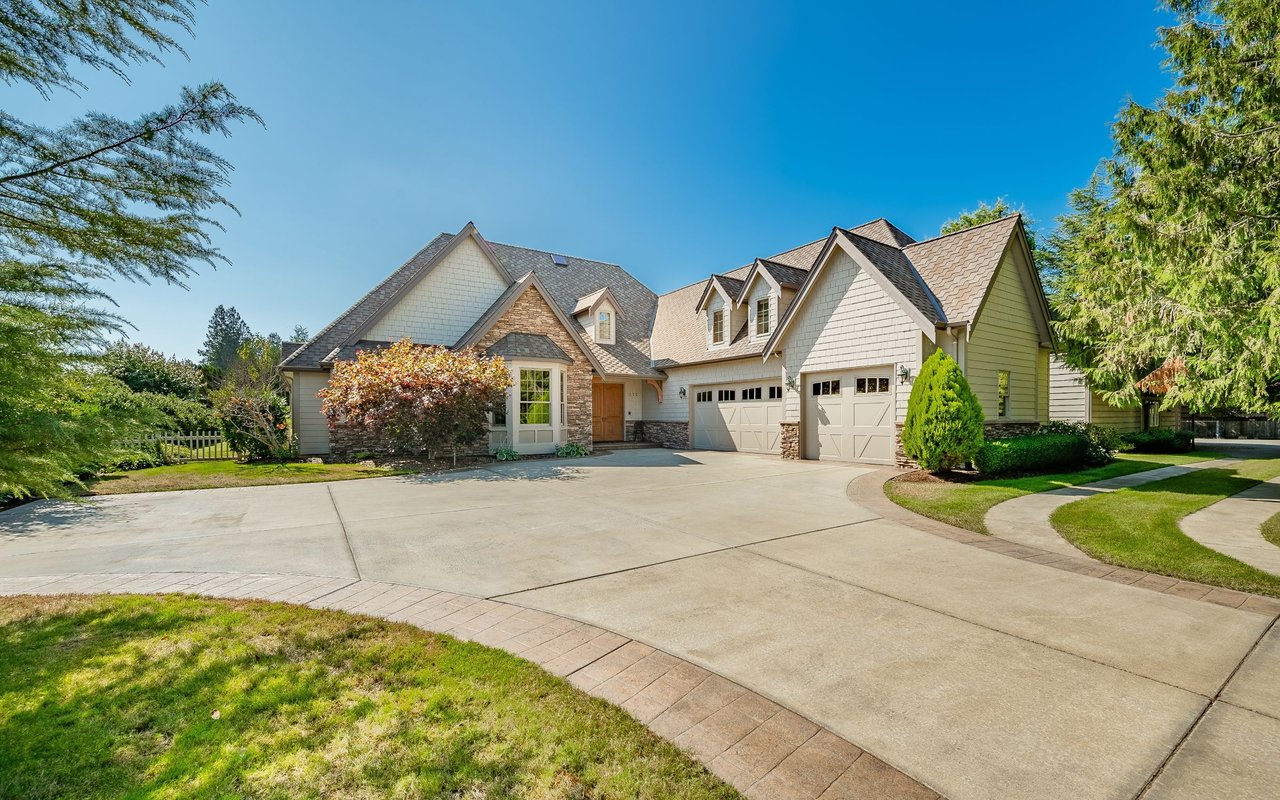
Palisade’s housing mix is more varied than some buyers expect. Town planning materials show an ongoing focus on housing accessibility while preserving neighborhood character, and they identify single-family attached housing as townhomes. In practical terms, that means you may find a blend of in-town options and properties with a more rural feel.
Location within the Palisade area matters a lot. Some homes feel closely tied to downtown, while others sit right near active orchards or vineyards. County planning and hazard materials describe the area as a mix of agricultural, residential, urban, and commercial uses, so two homes with the same Palisade address can offer very different day-to-day experiences.
What Living Near Orchards Really Means
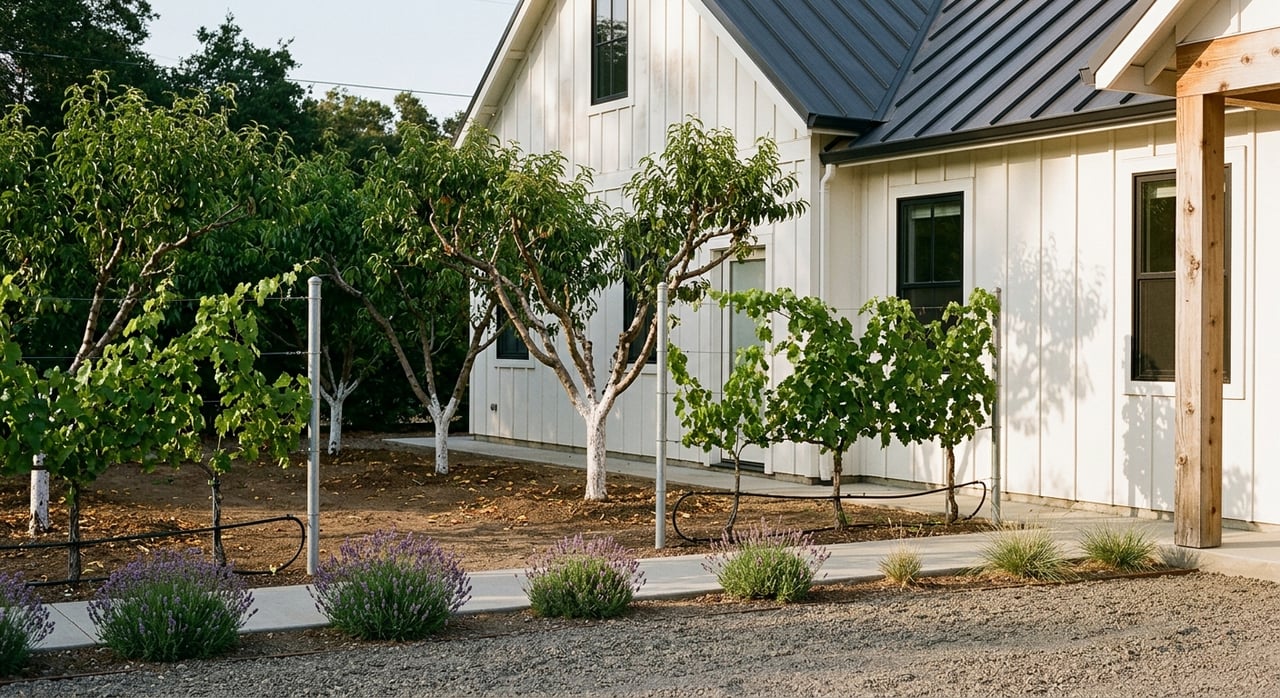
Living near active agricultural land can be wonderful, but it comes with tradeoffs. You may enjoy open views, seasonal color, and close access to farm stands and local products. At the same time, rural Colorado living often includes slow-moving vehicles, machinery, dust, odors, irrigation-ditch access, and occasional service interruptions.
Those realities are normal in working agricultural areas. They are not always problems, but they are part of the setting you are buying into. If you want the orchard lifestyle, it helps to go in with clear eyes about what that means across all four seasons.
Due Diligence for Palisade Buyers
If you are considering a home in or around Palisade, the property search should go beyond finishes and views. Some of the most important questions involve infrastructure, land use, and risk. This is especially true for homes on the edge of town or near agricultural ground.
Here are a few smart items to confirm early:
- Whether the home uses town water and sewer or a well and septic system
- Whether irrigation water rights are included or needed for the property
- Whether there are ditch easements crossing the parcel
- How access roads are maintained and used
- Whether the property sits in or near a floodplain
- How the parcel functions alongside nearby farm operations
These are not small details. They can affect your costs, your use of the property, and your comfort level after closing.
Natural Hazard Questions to Ask
Palisade’s hazard plan identifies wildfire, flood, and rockfall or landslide as meaningful risks in the area. The town also has wildfire mitigation planning tied to watershed protection, which shows these issues are taken seriously at the local level. For buyers, that makes property-level review especially important.
Before you get too far into a transaction, it is wise to ask about drainage, defensible space, and emergency access. A beautiful setting can still require practical planning. The goal is not to avoid the area, but to understand the specific property well enough to make a confident decision.
Who Palisade Fits Best
Palisade often appeals to buyers who want more than a house. It can be a strong fit if you value a slower daily rhythm, local agriculture, seasonal traditions, and a setting that blends town life with open land. It can also appeal to buyers looking for a lifestyle property with views, land, or a closer connection to the Grand Valley’s agricultural roots.
At the same time, it may not feel ideal if you want a more uniform neighborhood pattern or a fully suburban setup. Palisade asks you to appreciate a little unpredictability, especially near working land. For many people, that is exactly the charm.
Why Local Guidance Matters
Buying in Palisade is often about reading the details behind the lifestyle. Two homes may look similar online but differ in utilities, proximity to farm activity, irrigation setup, or hazard exposure. That is where local guidance can make a real difference.
With Palisade, it helps to work with someone who understands the tradeoffs and can help you ask better questions before you commit. That kind of step-by-step clarity can reduce stress and help you focus on whether a home truly fits your goals.
If you are considering a move to Palisade or want help evaluating homes near the orchards, Denese Hansen Simpson can help you navigate the details with local insight and a steady, responsive approach.
FAQs
What is it like to live in Palisade, Colorado year-round?
- Living in Palisade means a slower pace, a strong connection to agriculture, and a lifestyle shaped by seasonal harvests, community events, and high-desert outdoor living.
What should buyers know about homes near orchards in Palisade?
- Buyers should expect normal agricultural activity nearby, including machinery, dust, odors, irrigation access, and seasonal traffic tied to farming and festivals.
What types of homes are available in Palisade?
- Palisade offers a varied housing mix that includes in-town homes, townhomes, and properties closer to orchards, vineyards, and other agricultural land.
What property details matter most when buying in Palisade?
- Key details include water and sewer service, well and septic systems, irrigation water rights, ditch easements, road access, floodplain status, and nearby farm operations.
Are there natural hazard concerns for Palisade homebuyers?
- Yes. Local planning materials identify wildfire, flood, and rockfall or landslide as important risks, so buyers should review drainage, defensible space, and emergency access carefully.
When is peach season in Palisade?
- Peach harvest generally runs from late June through mid- to late September, depending on whether early-, mid-, or late-season varieties are being picked.